Palm Coast Local
Locals Helping Locals

Are Gas Prices On The Rise? Tell Us What You’re Paying in Palm Coast & Flagler County
- Details
- Written by: Palm Coast Local
- Parent Category: Business Blog
- Category: Local Community Palm Coast
Are Gas Prices On The Rise? Tell Us What You’re Paying in Palm Coast & Flagler County
There’s been growing chatter about fuel costs creeping up again. Some drivers say they’re seeing higher numbers at the pump. Others haven’t noticed much change — yet.
As of March 2026, gas prices are showing signs of upward pressure nationally. But what matters most is what’s happening right here in Palm Coast and across Flagler County.
Instead of relying solely on national headlines, we want to hear directly from you.
What did you just pay for gas?
Fuel prices can vary significantly depending on:
-
Neighborhood
-
Time of day
-
Type of fuel (Regular, Plus, Premium, Diesel)
-
Membership discounts or rewards programs
-
Station competition nearby
That’s why real-time community input matters.
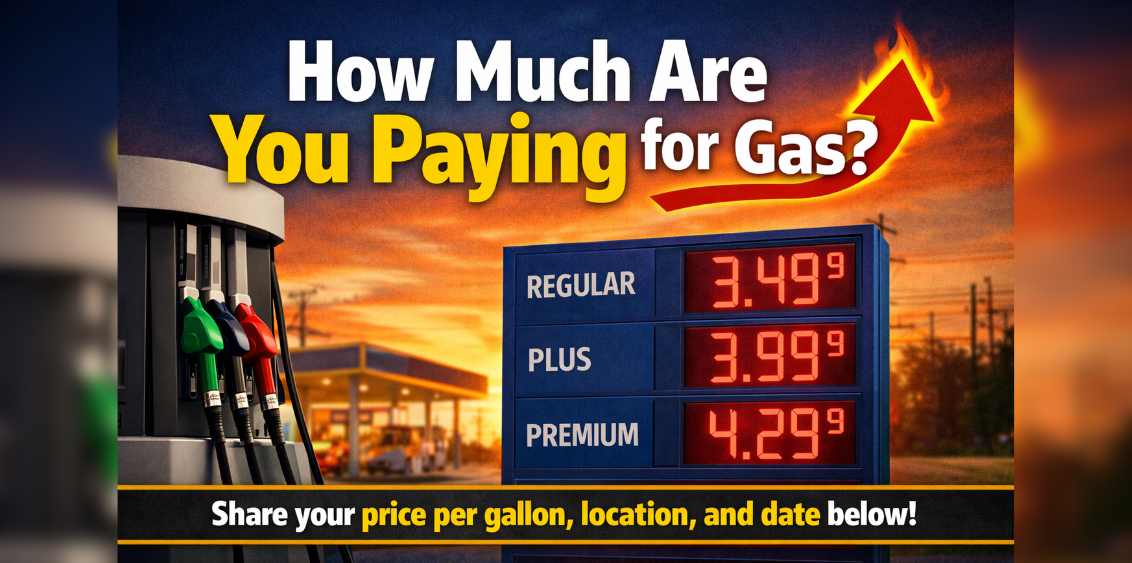
Help Us Track Local Gas Prices
If you’ve filled up recently, drop a comment with:
-
Price per gallon
-
Location (city or major intersection)
-
Date you filled up
-
Fuel type (Regular, Premium, Diesel, etc.)
Example:
$3.47 | Palm Coast – Belle Terre Pkwy | March 3 | Regular
The more responses we receive, the clearer the local picture becomes. Over time, this thread can serve as a real-time snapshot of pricing trends in our area.
Why This Matters
Gas prices impact:
-
Daily commuters
-
Small business owners
-
Delivery drivers
-
Families planning trips
-
Seasonal residents
Even a 20–30 cent swing per gallon adds up quickly over weeks and months.
Rather than speculating, let’s build a transparent, community-driven record of what’s happening locally.
Frequently Asked Questions About Current Gas Prices
Why may gas prices be going up right now? (As of March 2026)
As of March 2026, gas prices are showing signs of upward pressure. Fuel costs are influenced primarily by crude oil prices, refinery production levels, seasonal demand, and global geopolitical developments.
Right now, several factors may be contributing:
-
Geopolitical tensions in the Middle East, particularly involving Iran and key shipping routes such as the Strait of Hormuz. Approximately 20% of the world’s oil supply moves through that corridor. Even the risk of disruption can push crude oil prices higher.
-
Market reaction to military or diplomatic developments. Oil markets often respond quickly to headlines, building what’s known as a “risk premium” into pricing before any actual supply disruption occurs.
-
Refinery maintenance season. Late winter and early spring typically bring scheduled refinery maintenance, which can temporarily tighten gasoline supply.
-
Transition to summer fuel blends. Refineries begin preparing for federally required summer blends, which are more expensive to produce and can lead to incremental price increases.
Because gasoline prices closely follow crude oil markets, global instability can show up at local pumps within days.
That said, local competition, transportation logistics, and regional supply still play a role — which is why prices may vary across Palm Coast and Flagler County.
How often do gas prices change?
Gas prices can change daily — sometimes even multiple times per day. Stations adjust pricing based on wholesale fuel costs, nearby competitor pricing, and local demand.
This is why prices at two stations just blocks apart can differ noticeably.
Why are gas prices different in different neighborhoods?
Several factors can cause price differences between locations:
-
Proximity to major highways or tourist corridors
-
Local competition between stations
-
Transportation and delivery costs
-
Volume of fuel sold
-
Branded vs. independent stations
Higher-traffic areas sometimes charge more for convenience, while stations in highly competitive areas may price more aggressively.
Are You Seeing an Increase?
Are prices higher than last month where you are?
Or are they holding steady?
Drop your current gas price below and include your location and date.
Let’s track this together.
Add comment